
Accurate Radon Testing for Peace of Mind
Reliable Radon Testing in Parker
In Parker, our radon testing services prioritize safety and efficiency, offering effective solutions to reduce radon levels in your home.

What’s the Best Way to Test for Radon?
Radon is a hazardous gas that can seep into homes from the ground, posing serious health risks, including an increased risk of lung cancer. Radon testing is essential in identifying whether your home has elevated radon levels and determining the necessary actions to mitigate the risk. By conducting radon testing, you can make informed decisions to protect your family’s health, ensure a safe living environment, and potentially increase the value of your property.

Prompt Radon Testing in Parker
Address radon concerns in your Parker home today. Schedule a professional radon test now. Our certified experts use advanced methods for precise measurements and conduct comprehensive inspections to assess exposure risks. Trust our reliable service for accurate results. Secure your family’s health by booking a radon test in Parker and enhance indoor air quality.

Radon Facts
Radon gas is a colorless, odorless, and tasteless radioactive gas that can enter buildings through cracks and gaps in the foundation and accumulate to dangerous levels, increasing the risk of lung cancer. The EPA estimates that radon is responsible for approximately 21,000 lung cancer deaths each year in the United States alone. Testing for radon and implementing effective radon mitigation strategies is critical in protecting your family’s health and ensuring a safe home environment.
1 In 2 Homes In Colorado
Have Levels Above The EPA’s 4.0 pCi/L Radon Action Level
Mitigating at or below 2.7 pCi/L
Recommended By The World Health Organization
#1 Cause of Lung Cancer
After Smoking Among Nonsmokers
Tasteless & Odorless Gas
Radon Is Only Detected Using Specialized Tests
Learn more in our radon resources, EPA’s website or radon.org.
FAQ About Radon Testing
Let our Colorado Radon Company experts answer any further questions you may have about radon testing.
Radon Concerns in Parker
Parker’s geological conditions can lead to increased radon levels, posing health risks if not properly managed. Regular radon testing is crucial for home safety.
Understanding Radon Levels in Parker
Due to the area’s soil and rock formations, homes in Parker may experience higher radon concentrations. Frequent testing is key for detecting and mitigating these risks effectively.
Community Awareness and Initiatives
Parker promotes radon awareness through community programs and educational resources, equipping residents with the knowledge to conduct effective radon testing and implement mitigation strategies.
The Importance of Regular Testing
Continual radon testing in Parker is vital for early risk identification and timely interventions, ensuring a healthy home environment and preventing radon-related health issues.
Our Service Area
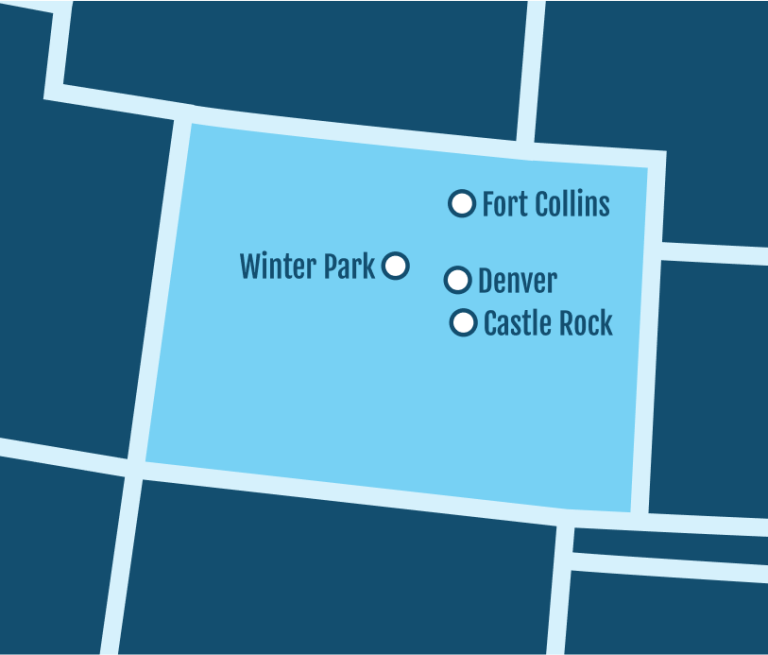
Proudly serving Denver, Westminster, and surrounding Front Range communities with expert radon mitigation and crawlspace services.
WE create Radon Solutions for our Clients
Who We Serve
We provide comprehensive radon solutions for home owners, real estate agents, real estate transactions, and more.
Our Process
Contact Us
Contact our customer service team to discuss more about testing your home for radon. We can schedule your appointment immediately!
Quote & Schedule
We will answer any questions about the testing process as well as the importance of when keeping closed house conditions can be maintained.
Set Tests
Once you have accepted our quote, we will come and place the tests during your previously scheduled visit.
Run Tests
Our technician will leave you with a free AirChek radon test to guarantee reduced radon levels, once the radon mitigation system has been installed.
Results
You will receive your official emailed report with your results within 24 hours of the analyzed test.
Recommendations
We will include next steps, if needed, to address elevated radon levels that exceed the EPA’s recommendation.

Choose Us For Our Industry Leading Warranties & Guarantee
At Colorado Radon Company, we pride ourselves on being the premier choice for all your radon service needs. Our dedicated team offers free estimates, ensuring transparency and affordability. With our commitment to quality work that meets or exceeds industry standards, you can trust our friendly and on-time staff to provide you with exceptional service.
Free Estimates
We will provide a free quote for your property.
Same-Week Availability
We offer same week appointment availability.
Certifications & Affiliations
We’re fully certified and accredited by the National Radon Proficiency Program (NRPP) and the American Association of Radon Scientists & Technologists (AARST).






Testimonials
What our Customers Say About Radon Services
Resources
Let us be your source for quick, comprehensive answers to all of your radon questions! Our expert staff is standing by to help.

Take the first step
towards a safer home today in Parker!
Don’t wait to protect your home and loved ones, contact Colorado Radon Company today for reliable and professional radon services that ensure a safe and healthy indoor environment.
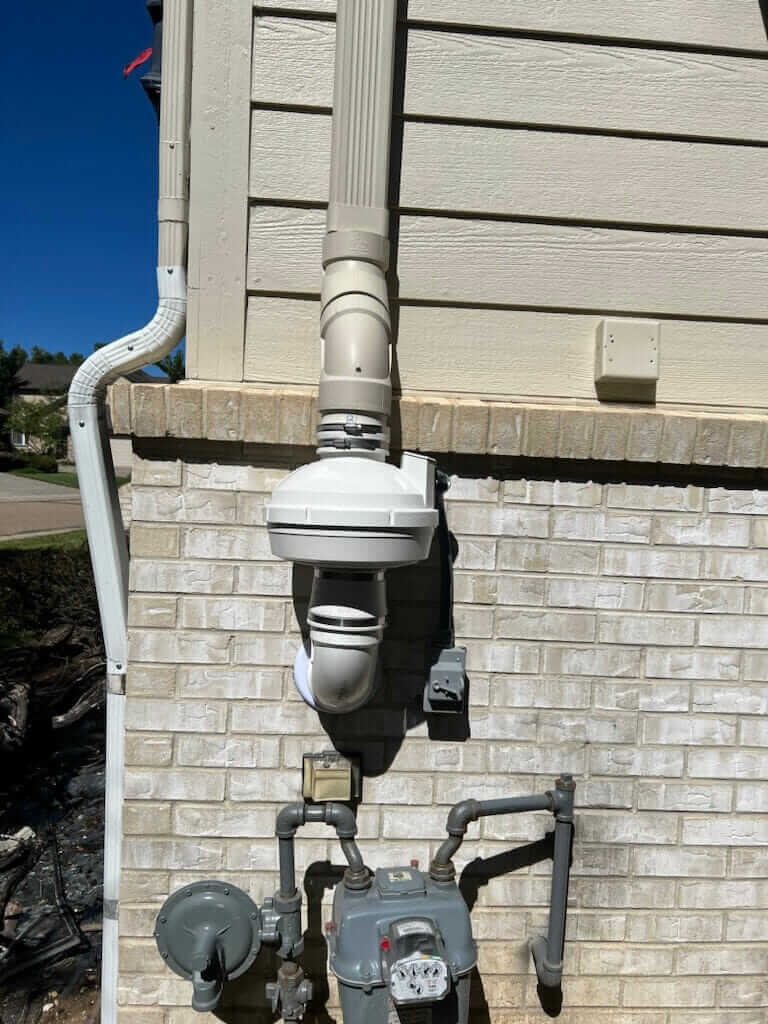
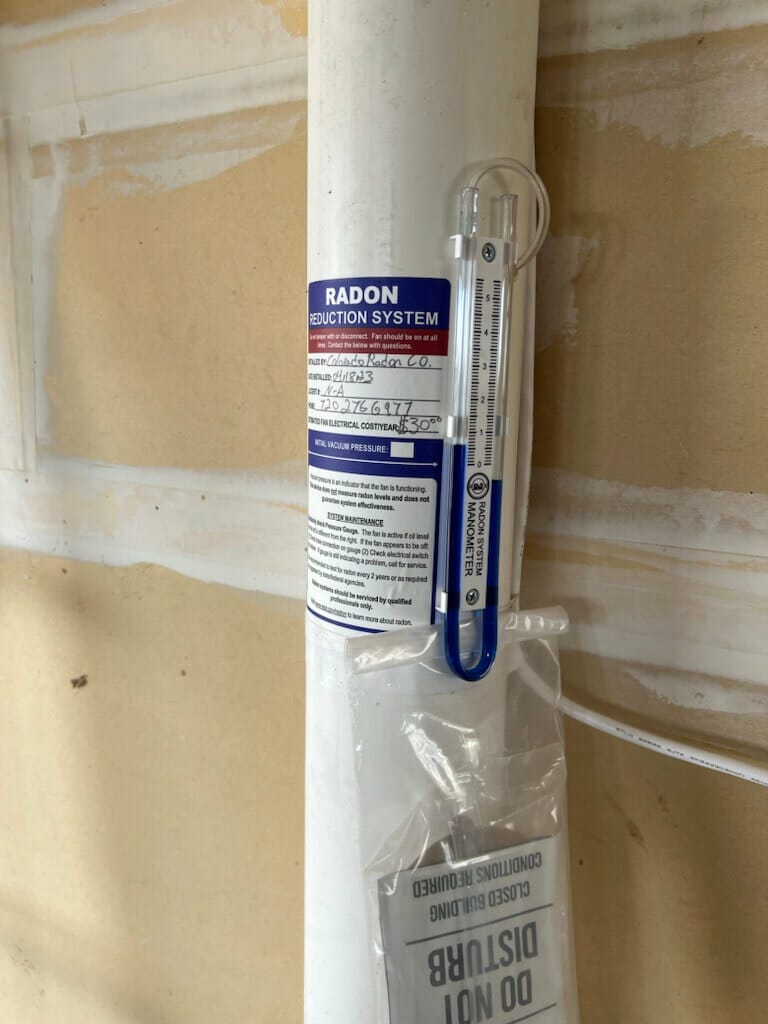
After testing, trust Colorado Radon Company to install a radon mitigation system that’s right for you.