
Accurate Radon Testing for Peace of Mind
Precise Radon Testing in Denver
For Denver homes, our radon testing services prioritize safety and efficiency, ensuring effective radon reduction through a smooth process.

What’s the Best Way to Test for Radon?
Radon is a hazardous gas that can seep into homes from the ground, posing serious health risks, including an increased risk of lung cancer. Radon testing is essential in identifying whether your home has elevated radon levels and determining the necessary actions to mitigate the risk. By conducting radon testing, you can make informed decisions to protect your family’s health, ensure a safe living environment, and potentially increase the value of your property.

Immediate Radon Testing in Denver
Act now on the radon issue in your Denver residence. Schedule a professional radon test today with our specialists. We employ cutting-edge methods to accurately determine radon levels, offering comprehensive inspections to detect contributing factors. Rely on our dependable service to provide precise results and crucial insights. Safeguard your family's health by booking a radon test and enjoy improved air quality in Denver.

Radon Facts
Radon gas is a colorless, odorless, and tasteless radioactive gas that can enter buildings through cracks and gaps in the foundation and accumulate to dangerous levels, increasing the risk of lung cancer. The EPA estimates that radon is responsible for approximately 21,000 lung cancer deaths each year in the United States alone. Testing for radon and implementing effective radon mitigation strategies is critical in protecting your family’s health and ensuring a safe home environment.
1 In 2 Homes In Colorado
Have Levels Above The EPA’s 4.0 pCi/L Radon Action Level
Mitigating at or below 2.7 pCi/L
Recommended By The World Health Organization
#1 Cause of Lung Cancer
After Smoking Among Nonsmokers
Tasteless & Odorless Gas
Radon Is Only Detected Using Specialized Tests
Learn more in our radon resources, EPA’s website or radon.org.
FAQ About Radon Testing
Let our Colorado Radon Company experts answer any further questions you may have about radon testing.
Radon Hazards in Denver
Radon is a significant health risk in Denver, where soil characteristics contribute to higher gas levels. As it is linked to lung cancer, proactive testing is vital.
Understanding Radon Levels in Denver
Denver’s geographic and environmental factors often result in increased radon levels. Regular homeowner testing is essential to maintain safe indoor environments.
Civic Awareness and Action
Efforts in Denver to raise awareness about radon dangers are ongoing. Health organizations and local authorities frequently host informational sessions to educate the public about mitigation strategies.
Radon Testing Necessity
Ensuring your home in Denver undergoes radon testing is a major step towards healthy living. This preventative measure helps detect and address high radon levels promptly.
Our Service Area
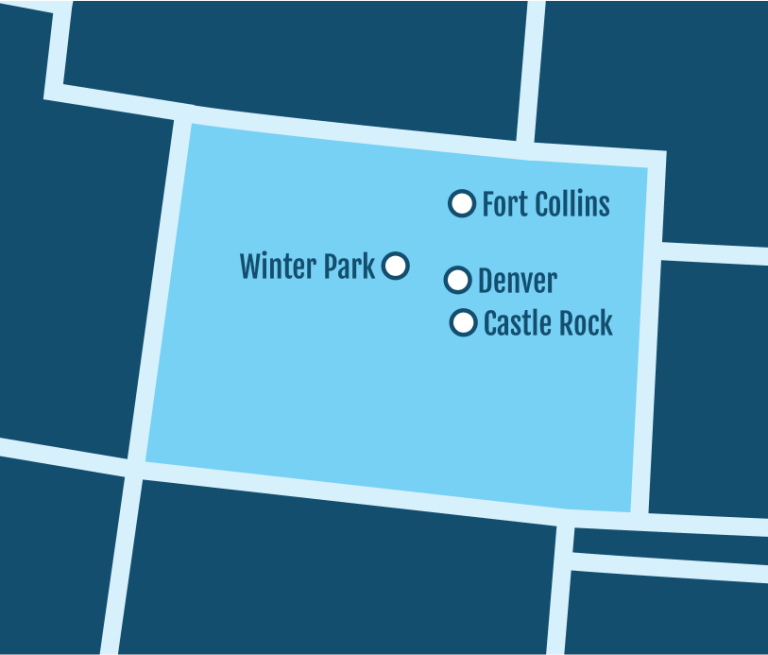
Proudly serving Denver, Westminster, and surrounding Front Range communities with expert radon mitigation and crawlspace services.
WE create Radon Solutions for our Clients
Who We Serve
We provide comprehensive radon solutions for home owners, real estate agents, real estate transactions, and more.
Our Process
Contact Us
Contact our customer service team to discuss more about testing your home for radon. We can schedule your appointment immediately!
Quote & Schedule
We will answer any questions about the testing process as well as the importance of when keeping closed house conditions can be maintained.
Set Tests
Once you have accepted our quote, we will come and place the tests during your previously scheduled visit.
Run Tests
Our technician will leave you with a free AirChek radon test to guarantee reduced radon levels, once the radon mitigation system has been installed.
Results
You will receive your official emailed report with your results within 24 hours of the analyzed test.
Recommendations
We will include next steps, if needed, to address elevated radon levels that exceed the EPA’s recommendation.

Choose Us For Our Industry Leading Warranties & Guarantee
At Colorado Radon Company, we pride ourselves on being the premier choice for all your radon service needs. Our dedicated team offers free estimates, ensuring transparency and affordability. With our commitment to quality work that meets or exceeds industry standards, you can trust our friendly and on-time staff to provide you with exceptional service.
Free Estimates
We will provide a free quote for your property.
Same-Week Availability
We offer same week appointment availability.
Certifications & Affiliations
We’re fully certified and accredited by the National Radon Proficiency Program (NRPP) and the American Association of Radon Scientists & Technologists (AARST).





Testimonials
What our Customers Say About Radon Services
Resources
Let us be your source for quick, comprehensive answers to all of your radon questions! Our expert staff is standing by to help.

Take the first step
towards a safer home today in Denver!
Don’t wait to protect your home and loved ones, contact Colorado Radon Company today for reliable and professional radon services that ensure a safe and healthy indoor environment.
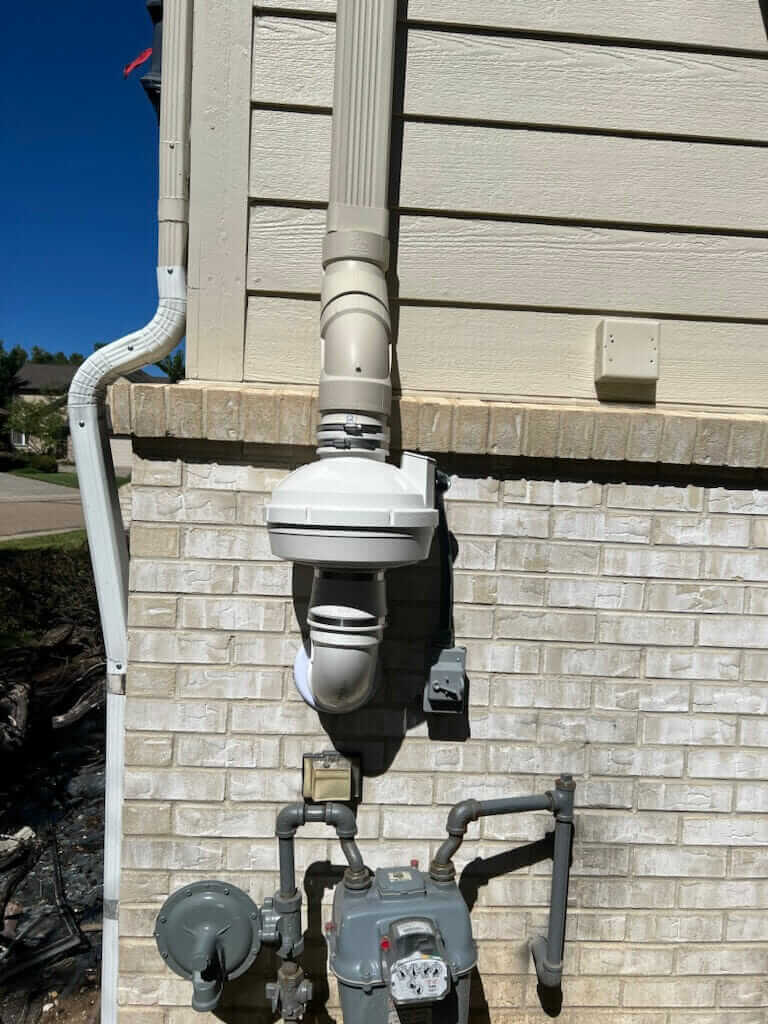
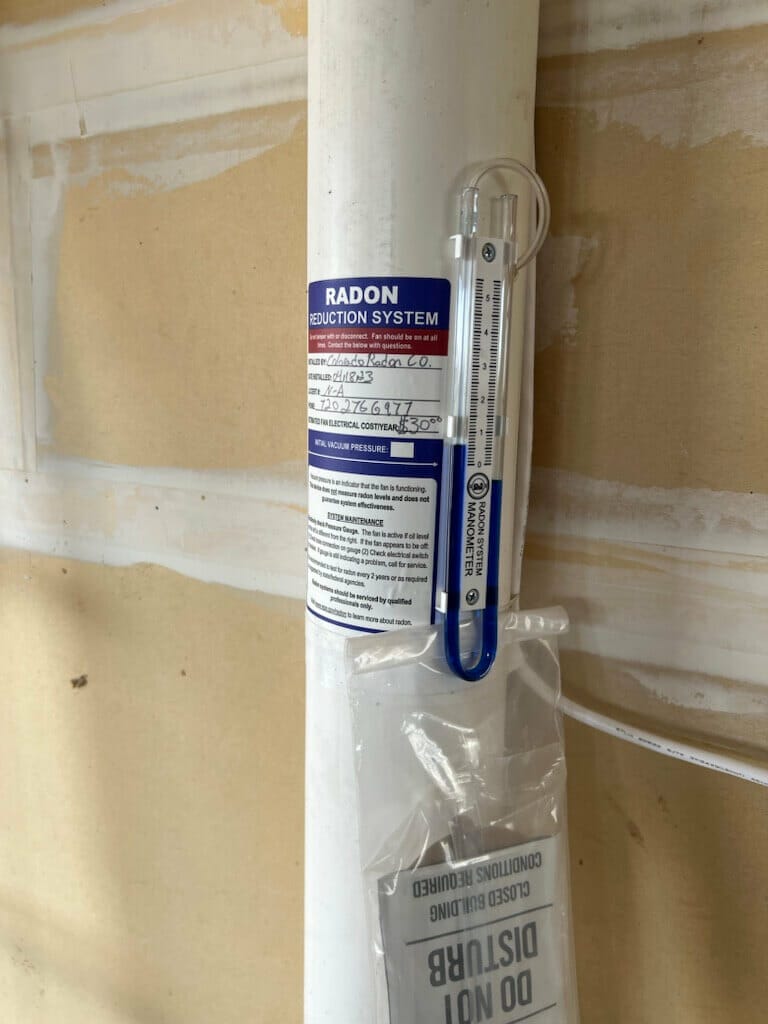
After testing, trust Colorado Radon Company to install a radon mitigation system that’s right for you.